
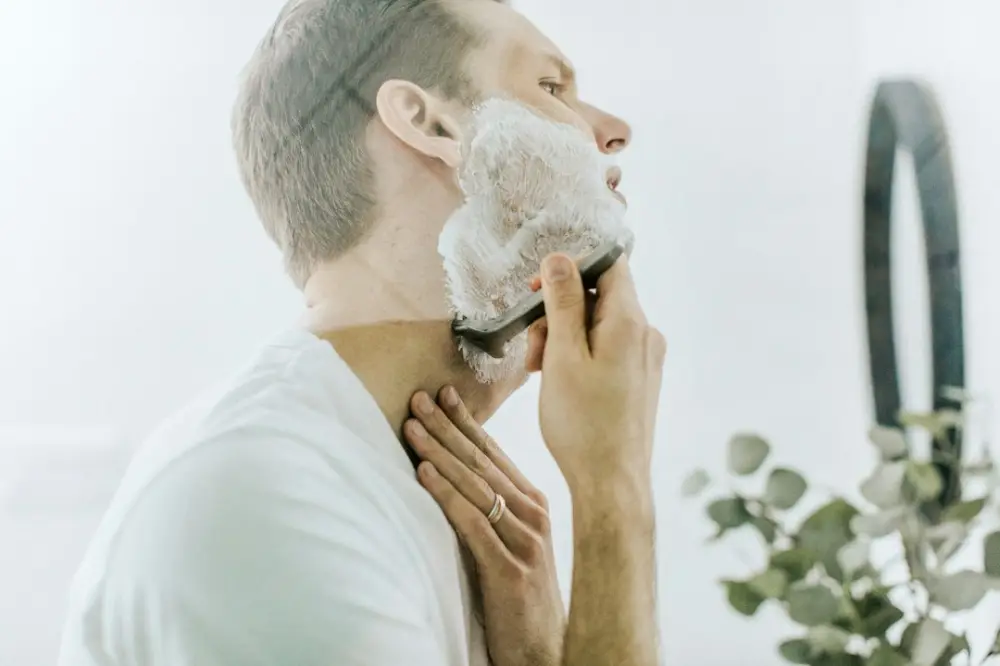
Seasonal adjustments to beard care routines are the practice of modifying your grooming habits and products to address environmental shifts in temperature, humidity, and UV exposure. By rotating oils, balms, and cleansers, you provide the specific moisture or protection needed to prevent skin irritation and hair breakage as the weather changes.
Adapting your approach isn't about chasing every new product release; it is about responding to how your biology interacts with the air around you. When the dew point drops in November or the sun intensifies in July, the needs of your facial hair and the skin beneath it shift significantly. A routine that works in a humid coastal summer will often fail in a dry, heated indoor environment during the winter months.
Why seasonal changes matter for your beard
The skin on your face is a living organ that reacts to external stressors. In the winter, cold air holds less moisture, and indoor heating systems further strip the air of humidity. This leads to increased transepidermal water loss, where moisture evaporates from your skin, leaving the beard underneath feeling like straw. Without adjusting, you risk developing "bearddruff"—the flaking of dry skin that is often mistaken for poor hygiene but is actually a sign of dehydration. Maintaining beard care basics that remain relevant throughout these transitions ensures that the structural integrity of the hair follicle isn't compromised by environmental extremes.
In contrast, summer brings its own set of challenges. High humidity and heat increase sebum production and sweat. If you continue using a heavy, wax-based balm designed for winter protection, you may end up with clogged pores or a greasy texture that traps pollutants. For example, a man living in a high-humidity environment like Miami will need a significantly lighter carrier oil, such as grapeseed or apricot kernel oil, compared to someone facing a dry winter in Chicago who requires the heavy occlusive properties of shea butter or beeswax.
How seasonal beard care works
The transition between seasons requires a gradual shift in product viscosity and application frequency. During the spring and autumn, you should monitor your skin’s oil production. If your face feels tight or itchy as the leaves turn, it is time to increase the richness of your beard oil. This involves moving from "drying" oils to more nourishing ones like jojoba or sweet almond oil, which closely mimic natural human sebum.
In the winter, the focus shifts to protection and sealing. You might introduce a dedicated beard balm to act as a physical barrier against biting winds. A concrete example of this is applying a pea-sized amount of a high-viscosity balm before heading outdoors for a walk. This layer prevents the cold air from leaching moisture directly from the hair shaft. Conversely, in the summer, the focus shifts to cleansing and UV protection. You may find that rinsing your beard with cool water more frequently helps remove salt from sweat, which can otherwise dry out the hair if left to sit.
By choosing manageable grooming habits for daily care, you can make these pivots without overcomplicating your morning. It might be as simple as swapping your heavy winter beard wash for a gentler, more hydrating cleanser in the spring to help the skin recover from months of indoor heating.
Common misconceptions about seasonal care
One of the most persistent myths is that a beard provides its own protection against the cold, making extra care unnecessary in the winter. While a thick beard does offer some insulation for the face, the hair itself is highly susceptible to becoming brittle and snapping when exposed to freezing temperatures followed by the dry heat of a fireplace or radiator. Another misconception is that you should wash your beard more often in the summer to deal with sweat. While hygiene is important, over-washing with harsh surfactants can strip away the very oils your skin is working harder to produce, leading to a rebound effect of even greasier skin.
Many men also believe that beard oil is only for the hair. In reality, seasonal adjustments are primarily about the skin. If the skin is healthy and hydrated, the beard will follow suit. Using a dropper to apply oil directly to the skin surface—rather than just coating the outer layer of the beard—is a technique that remains vital regardless of whether it is 90 degrees or 10 degrees outside. Ignoring the skin-under-beard care during seasonal shifts is the fastest way to develop chronic irritation.
Key terms in seasonal grooming
- Humectants: Ingredients like glycerin or hyaluronic acid that pull moisture from the air into the skin and hair. These are highly effective in humid months but can sometimes backfire in extremely dry air.
- Occlusives: Heavier substances like beeswax, cocoa butter, or lanolin that form a protective seal on the surface to prevent moisture from escaping. Essential for winter protection.
- Sebum: The natural oil produced by your sebaceous glands. Its production rate changes with the temperature, necessitating different levels of supplemental oil.
- Viscosity: The thickness or "flow" of a product. High-viscosity balms are thick and slow-moving, while low-viscosity oils are thin and absorb quickly.
- Transepidermal Water Loss (TEWL): The process of water evaporating from the skin. Minimizing this is the primary goal of winter beard care.
Practical steps for your seasonal transition
The most effective way to manage these changes is to conduct a "mirror check" every two weeks during a change in season. Look for signs of redness, flaking, or a sudden change in the luster of your facial hair. If you notice your beard feels "crunchy" in the morning, it is a clear signal to introduce a heavier oil or a leave-in conditioner. If you see small breakouts or feel an uncomfortable heaviness, your current product may be too occlusive for the rising temperatures.
At Tu Barba, we believe that informed self-care isn't about following a rigid script, but about understanding the relationship between your environment and your body. These seasonal adjustments to beard care routines are a fundamental part of aging with confidence. By paying attention to the subtle shifts in your skin’s needs, you move away from the shallow pursuit of trends and toward a sustainable, practical routine that supports your health and appearance year-round. Consistent care, rather than a frantic search for a "miracle" product, is what builds a beard that lasts through every season.