
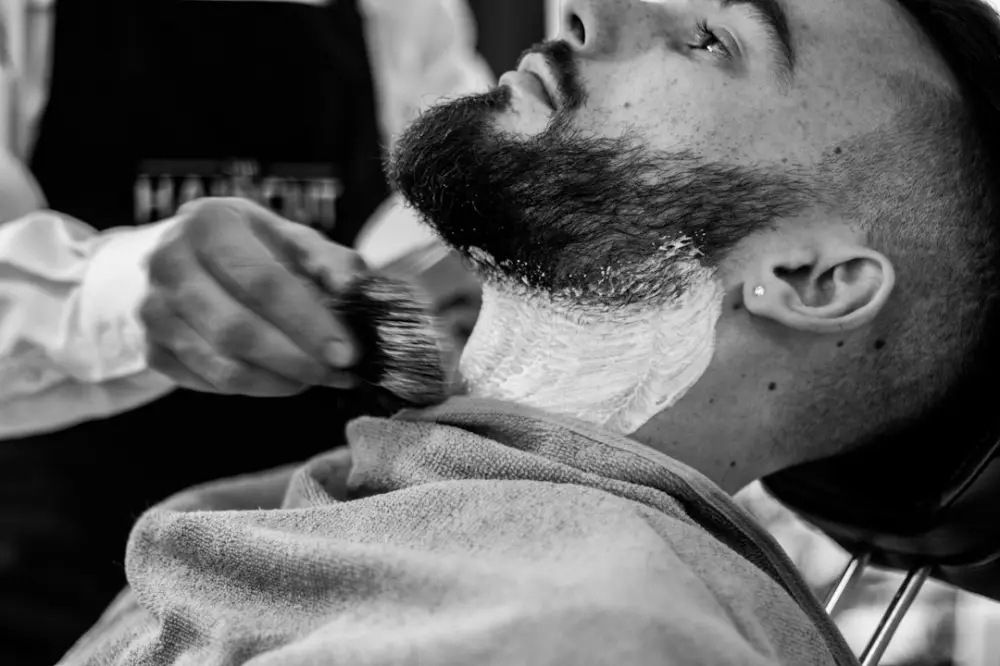
Beard trimming techniques for a symmetrical finish are specific grooming methods used to ensure facial hair is balanced and even on both sides. This involves prepping the hair, defining clear boundary lines on the neck and cheeks, and using graduated clipper guards to create a uniform shape that aligns with your natural bone structure.
Achieving this balance requires more than just a steady hand; it demands a systematic approach to how you view your face in the mirror. Instead of chasing a perfect image from one angle, symmetry focuses on how the beard interacts with your features from the front and profile, ensuring neither side looks heavier or higher than the other.
Basics of Symmetrical Beard Trimming
The foundation of a balanced beard is the "center-out" philosophy. Many men make the mistake of starting at one ear and working all the way across to the other. By the time they reach the opposite side, the angle has often shifted. Instead, identify the center point of your chin or the philtrum (the groove under your nose) and work outward toward each ear in alternating stages.
Using a physical reference point is essential. For example, if you are trimming your sideburns, use the tragus (the small pointed part of the outer ear) as a level marker for both sides. If you trim one side to the middle of the ear, the other side must match exactly. This objective approach prevents the common "lopsided" look that occurs when we rely solely on visual estimation.
Prepping Your Beard for an Even Cut
You cannot achieve symmetry on a tangled or dirty beard. Hair that is clumped together with natural oils or old product will lay differently than clean hair, leading to an uneven cut once the beard is eventually washed. Start by using a dedicated beard wash to remove debris without stripping the skin of necessary moisture. Always trim when the hair is dry; wet hair appears longer and straighter, which can lead to over-trimming once it dries and shrinks back to its natural state.
Once dry, use a wooden comb or a boar-bristle brush to straighten the hairs. Brush everything outward and then downward. This reveals the true length and identifies any "stray" hairs that grow faster than the rest. Remembering that beard care basics that remain relevant involves this preparation stage will save you from making irreversible mistakes with the clippers.
Finding a Beard Shape That Fits You
Symmetry is not just about left matching right; it is about how the beard complements your facial geometry. A man with a rounder face might benefit from keeping the sides tight and the bottom more squared off to create the illusion of a stronger jawline. Conversely, a man with a very long or thin face should avoid excessive length at the chin, focusing instead on fuller sides to add width.
Consider your natural growth patterns. If your hair grows higher on one cheek than the other, you must decide whether to bring the lower side up or the higher side down. Usually, the best results come from following the lower growth line to ensure a clean, dense edge. This alignment with your facial symmetry creates a more intentional, professional appearance rather than a shape that looks like it happened by accident.
How to Shape Your Beard Like a Pro Barber
Professional results come from incremental changes. Barbers don't go for the final length immediately; they use a "guard-stepping" technique. If your goal is a #3 guard length, start with a #5 to remove bulk and see how the hair lays. This allows you to identify cowlicks or patches that might require a different approach. For the mustache, use a pair of high-quality grooming shears rather than clippers to ensure the lip line is crisp and symmetrical.
When shaping the edges, use a T-blade trimmer or a safety razor for the final lines. Hold the tool with a light grip. Pressing too hard can displace the skin, meaning that when you release the pressure, the line you just cut will bounce back into a different, often crooked, position. Keep your chin at a neutral level; looking too far up or down while trimming the neckline will distort the natural curve of your neck.
Techniques for Achieving Perfect Symmetry
To ensure your beard is perfectly balanced, follow these ordered steps during your next grooming session:
- The Neckline: Place two fingers above your Adam's apple. This is the lowest point of your beard. Trace a "U" shape from this point up toward the back of your ears. Use a trimmer to clear everything below this line.
- The Cheek Line: Imagine a line from the corner of your mouth to the top of your earlobe. Use this as a guide. If you prefer a curved look, ensure the peak of the curve is at the same height on both cheeks.
- The Mustache Gap: Ensure the area under the nose (the philtrum) is cleared or trimmed evenly. A common mistake is letting one side of the mustache hang lower over the lip than the other.
- The Symmetry Check: Step back three feet from the mirror. Looking at your reflection from a distance helps you see the "silhouette" of the beard rather than individual hairs. This is where imbalances become most obvious.
Caring for Your Beard After Shaping
Trimming is a stressful event for both the hair and the skin. Micro-abrasions from the blade and the removal of the hair's protective ends can lead to itchiness or irritation. Immediately after shaping, rinse your face with cool water to close the pores and remove loose clippings. Apply a light beard oil or balm to hydrate the hair and soothe the skin underneath.
Focusing on the skin is just as important as the hair itself. Understanding that proper grooming supports healthy facial hair means recognizing that a healthy follicle produces a stronger, more manageable strand. In 2026, we recognize that self-care isn't about vanity; it is about maintaining the health of the largest organ on your body—your skin—while presenting your best self to the world.
Managing Your Grooming Cart and Sign Up Benefits
Maintaining a symmetrical beard is a long-term commitment that requires the right tools. When managing your personal grooming cart, prioritize quality over quantity. A single pair of well-balanced shears and a reliable set of clippers with sturdy guards are more valuable than a dozen cheap accessories that will break or pull at your hair. Keeping your kit simple ensures that your routine remains practical and sustainable rather than a chore you eventually abandon.
By signing up for regular updates and staying informed on these techniques, you move away from chasing temporary trends and toward a philosophy of consistent, informed self-care. At Tu Barba, we believe that grooming is an extension of how you treat yourself. It isn't about achieving a "perfect" look dictated by a magazine; it's about the calm, daily practice of caring for your appearance and your health. Whether you are dealing with the first signs of gray or a beard that has been with you for decades, the goal remains the same: practical routines that help you age with confidence and clarity.